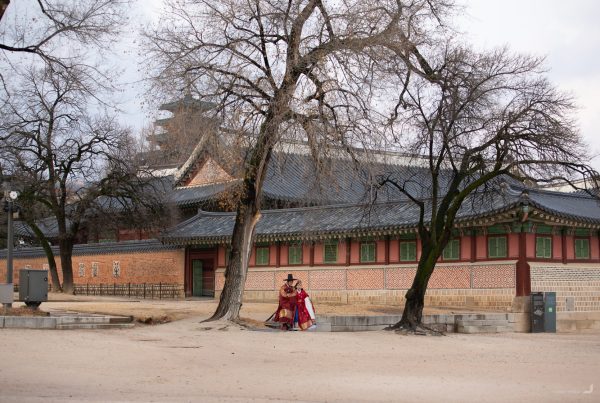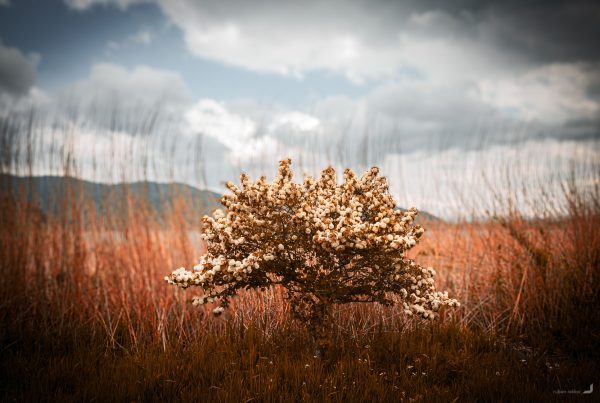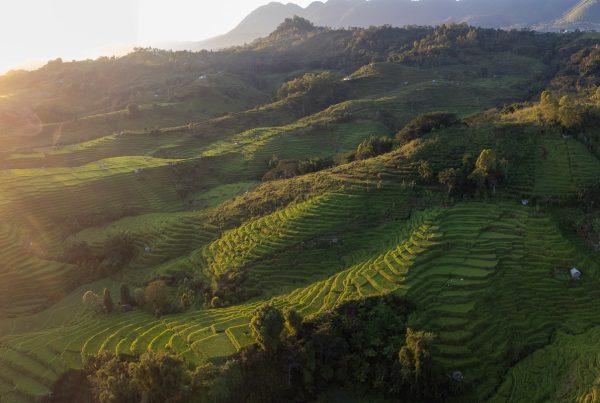

Even though New Zealand was named after Zeeland (a province in the south west of the Netherlands) by the Dutch in the 17th century, they are not quite the same. The name given by the indigenous population, the Māori, is perhaps much more fitting: Aotearoa. It means the “land of the long white cloud”.
In the winter of 2008, at the end of my exchange program in Sydney, I had four weeks to travel. For the first three weeks, a classmate from Christchurch and I rented a bright green Jucy campervan to explore New Zealand’s South Island, before I joined a couple of other friends to traverse across the North Island in my final week.
If you like mountains, and nature, and clouds, and friendly people, and sheep, New Zealand might be for you. I mean, you have seen The Lord of the Rings right?
South Island

Horses on the south island.
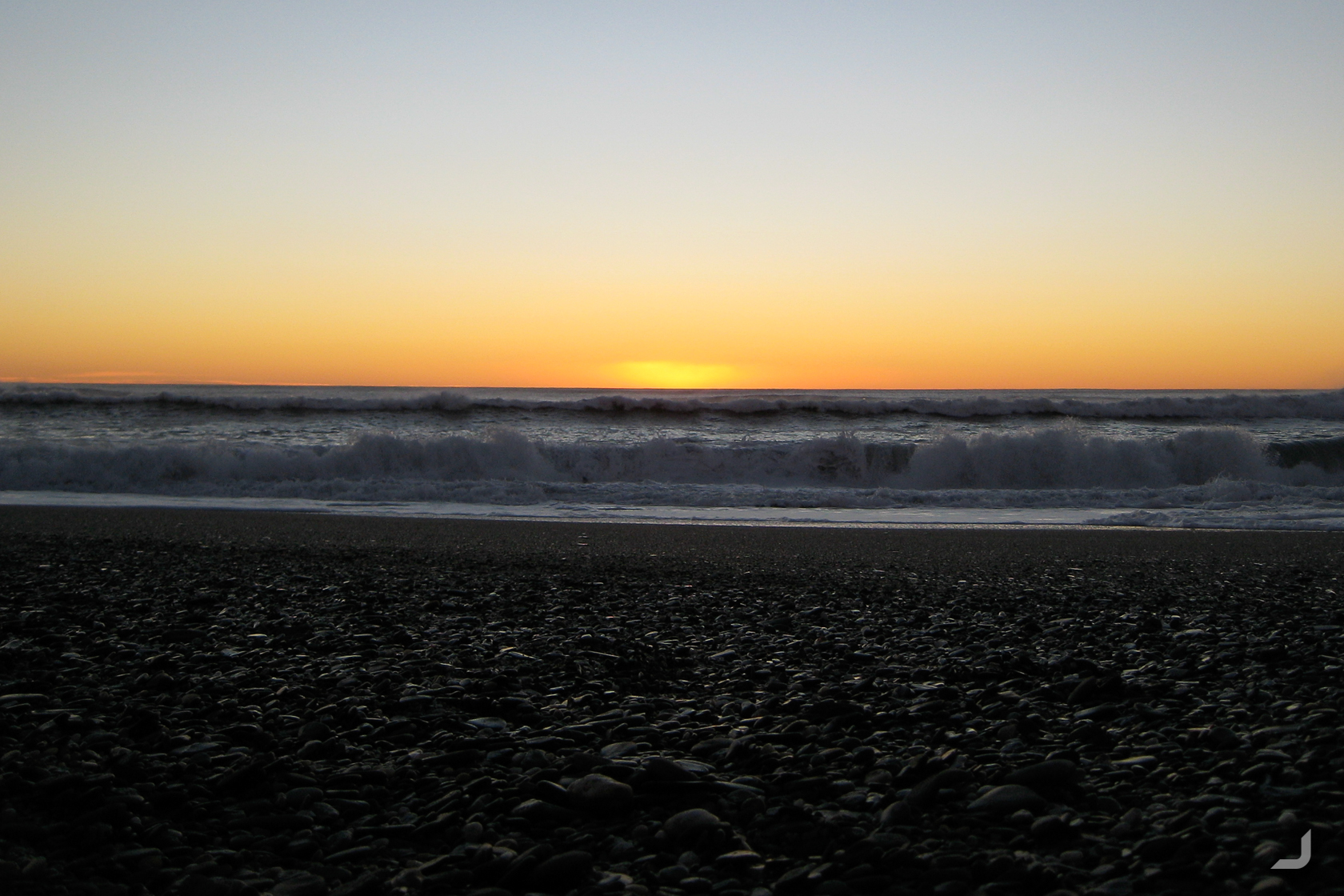
Ocean on the west coast on the south island.
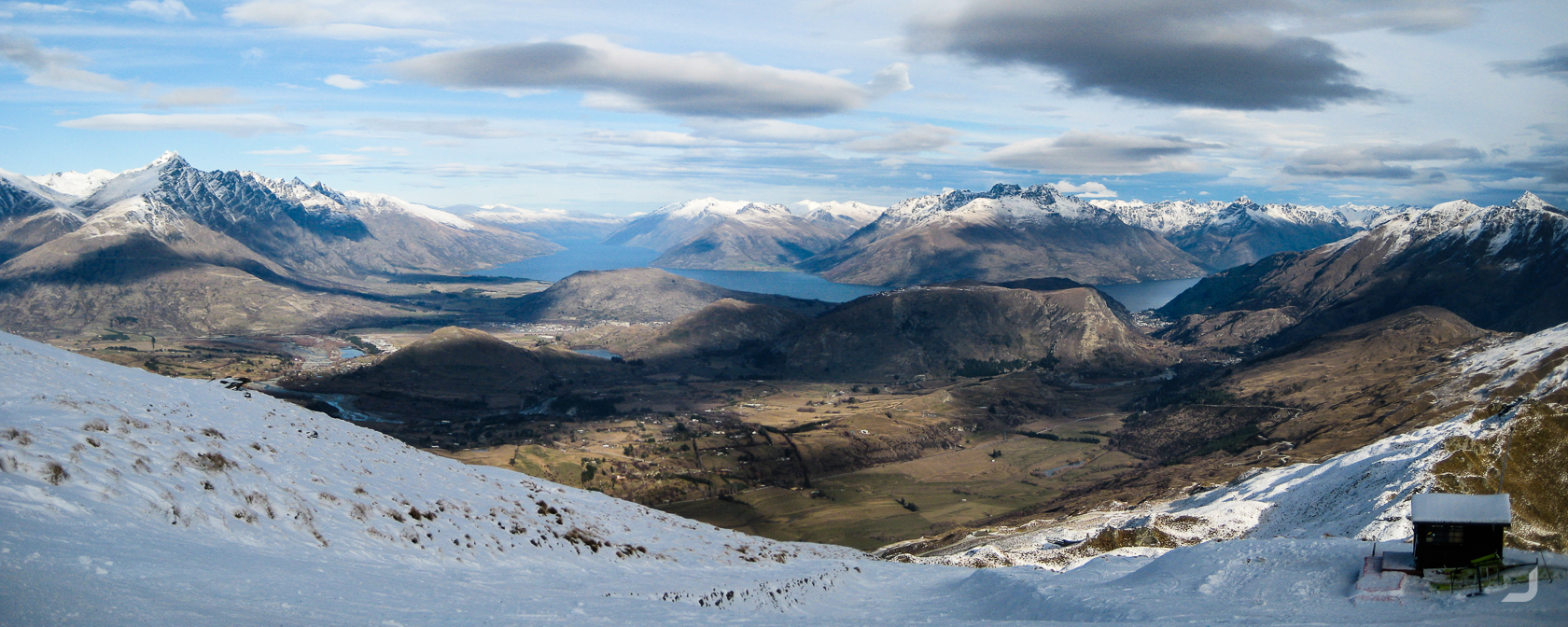
The view from the mountains nearby Queenstown.
Te Anau
Lake Te Anau is the largest lake in New Zealand’s South Island, known for its deep fjord-like arms, surrounding mountains, and access to Fiordland National Park. It’s a popular destination for hikes like the Kepler and Milford Tracks, as well as paths and caves covered with glowworms.

Mountains near Te Anau.

Lake Te Anau.
Going on a hike amongst the fjords was high on our list and we found a small part of the Kepler track that we could do in a day. It was a one way path so we’d have to stay in a hut and come back the next day.

Hiking the Kepler track near Te Anau.

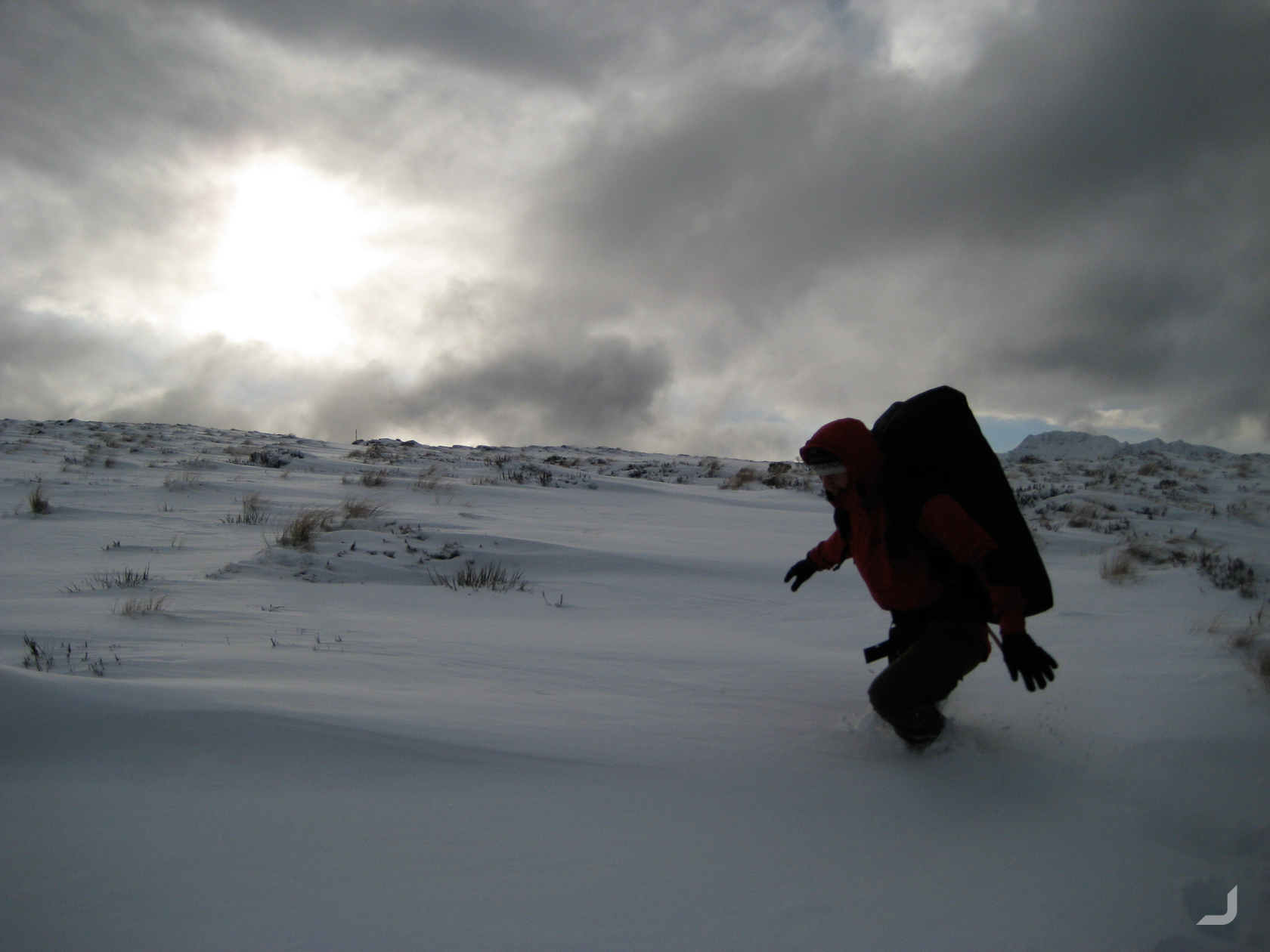

Snow went knee deep on the Kepler track near Te Anau.
The next morning, nearly everything was frozen in our hut, including our socks and boots. First I had to hit the socks against the floor to break the ice and then after I finally got those around my feet I had to slowly wiggle my feet inside the boots that had now turned into bricks. Once my feet were inside I had to keep walking around in circles to try to defrost them.

My classmate, Reinier, trying to keep warm inside the hut.

A snowstorm was on its way, and the tourist centre initially advised us not to go up. With only one night to spare, we decided to go up anyway, a decision that quickly proved to be not the smartest. The next day, we were lucky to find our way back before visibility dropped completely.

Stopping by Torrent Bay (no free downloads) in Abel Tasman National Park before heading to Wellington.
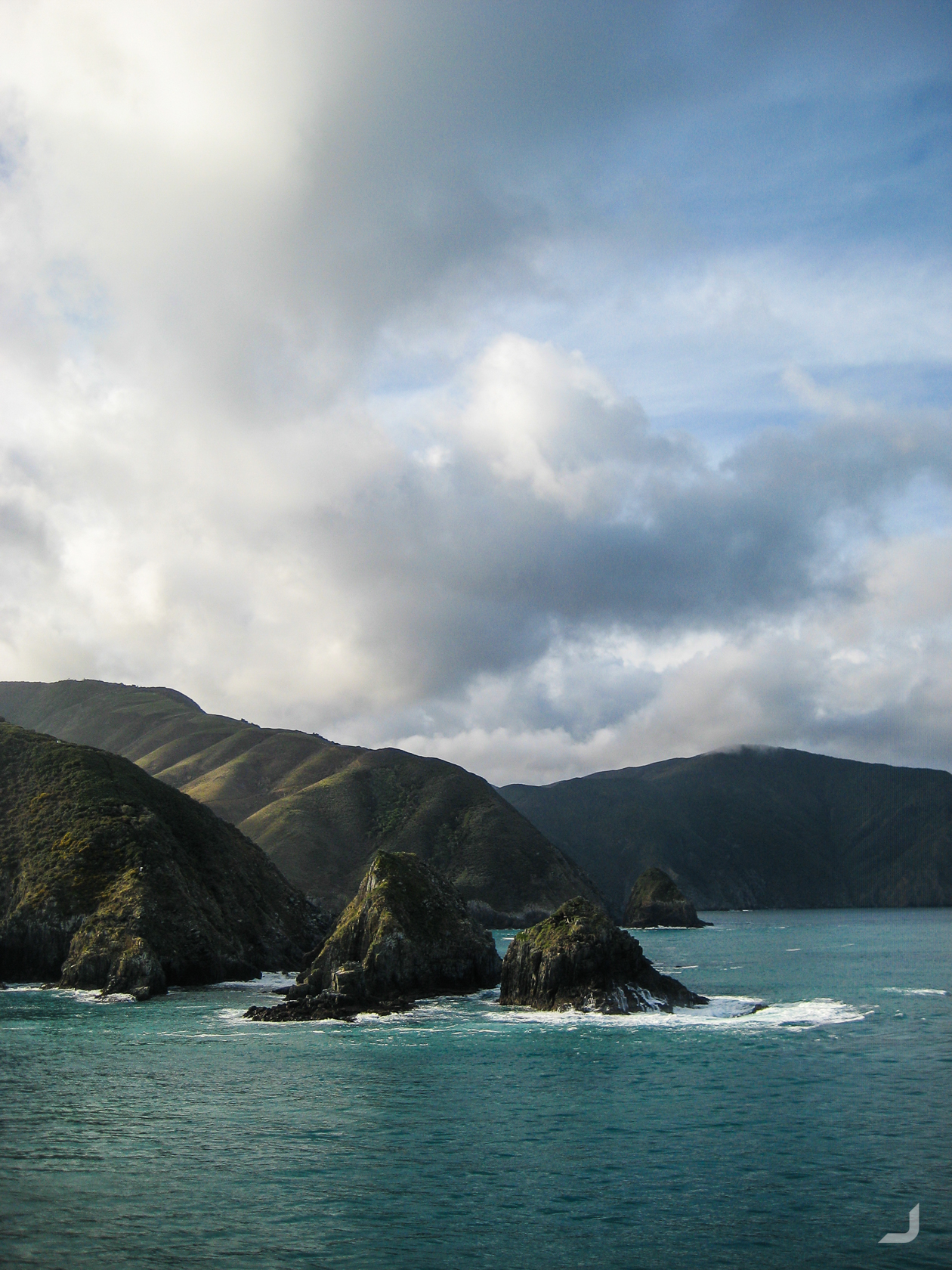
Taking the ferry across the Cook Strait, from Picton on the south island to Wellington on the north island.
South Island

I don’t know if this is true, but someone said that this mountain we passed is Mount Doom (Mt Ngauruhoe) from the Lord of The Rings. Could someone confirm?
Rotorua
A little over halfway between Wellington and Auckland lies Rotorua, a geothermal hotspot on New Zealand’s North Island. Famous for its geysers, bubbling mud pools, natural hot springs, and its unmistakable sulphur smell, Rotorua is also a vibrant center of Māori culture, where you can experience traditional kapa haka performances, enjoy a hāngī (earth-cooked meal), and learn about stories deeply connected to the land.


The ‘Pohutu’ geyser (1), whose name means ‘constant splashing’ in Māori, erupts regularly two to three times every hour. Intense heat from molten rock beneath the surface boils seeping rainwater, turning it into steam. As pressure builds inside an underground crevice, it eventually forces water and steam up through the vent, shooting as high as 15 meters into the air. Once the jet subsides, the crevice refills with water, and the cycle repeats.