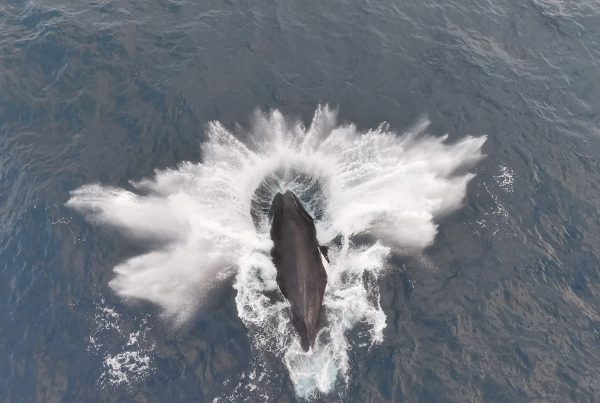
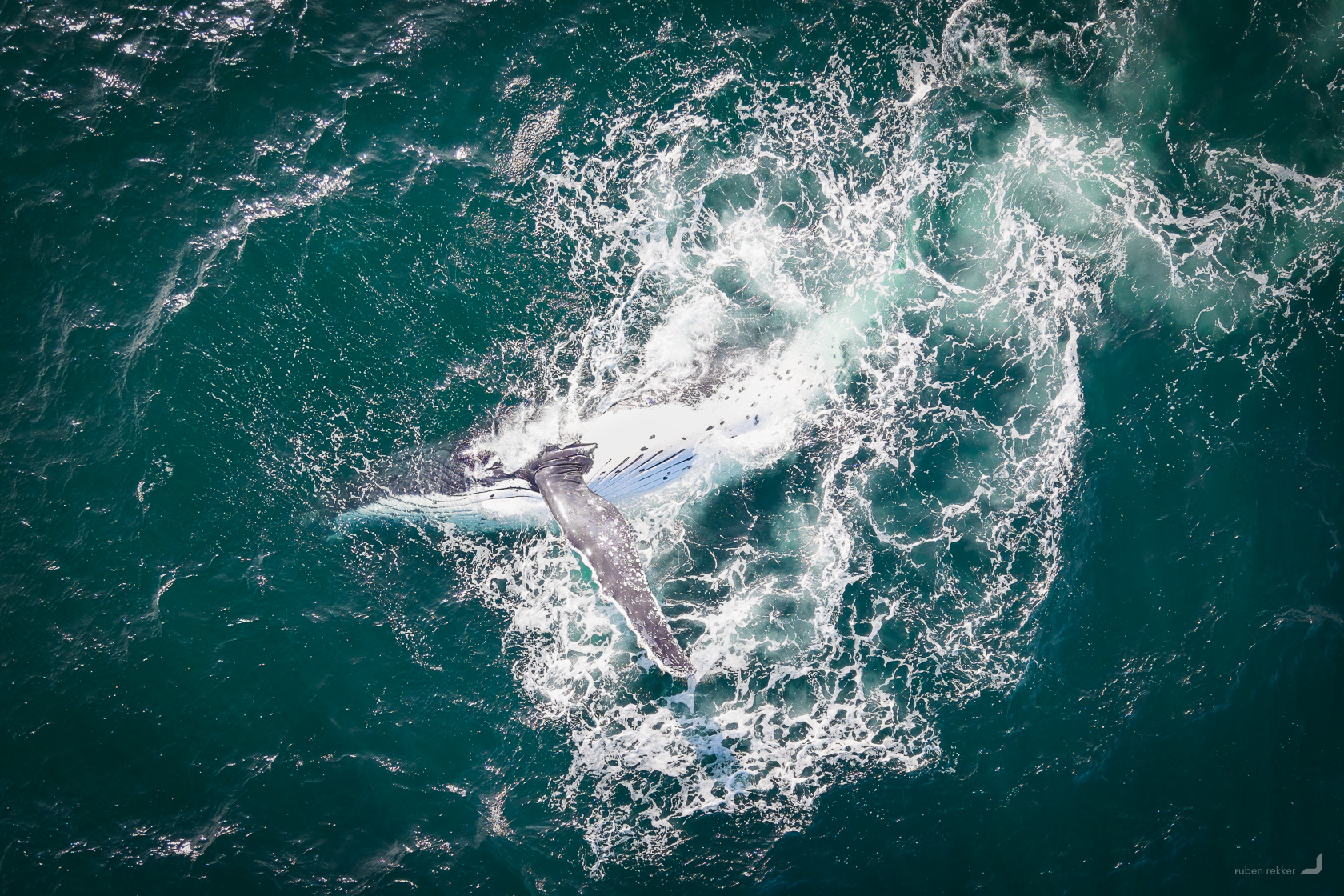
Three humpback whales migrating south passing Gerringong, Australia. These whales kept raising and forcefully hitting the water with their large fins. It is also known as pectoral slapping and it’s a form of communication, social signalling, and display.
Pectoral slapping by whales passing the Gerringong coast in Australia.
The loud slaps can attract attention, maintain contact, express dominance, or serve as courtship signals during mating. They may also function as non-lethal threat displays between males, playful or social bonding behaviours within groups, or practical actions such as removing parasites, exercising, or startling prey.

Whales passing the coast of Gerringong. The centre whale is slapping its fin, also known as pectoral slapping.
This behaviour is most famously seen in humpback whales, whose long pectoral fins make especially dramatic splashes, but it also occurs in species like grey and right whales.
More pectoral slapping by whales.
Each year, the humpback whales travel thousands of kilometres up north to give birth to their young in warmer waters.
Adult whales can grow up to 18 meters long, which is exactly the size of those extended (articulated) Sydney busses such as the 333 to Bondi.

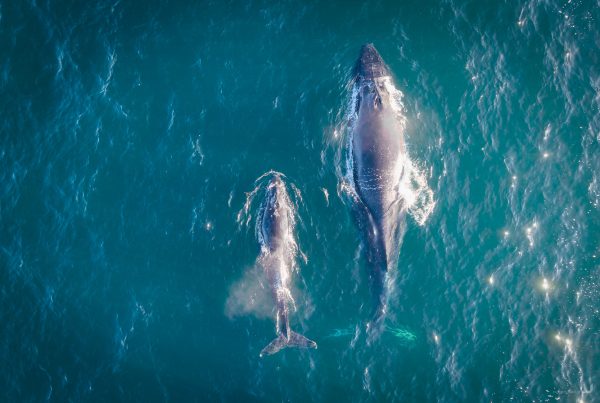
A humpback whale family traveling along the coast of Gerringong, Australia.